


Re-Thinking Black Start: Can BESS Anchor ERCOT’s Next Grid Restoration?

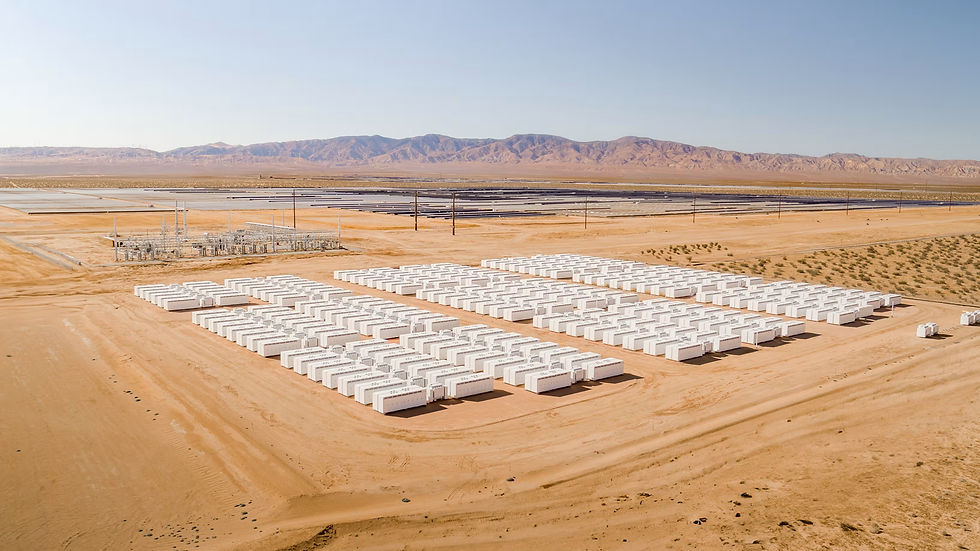
After Winter Storm Uri, Texas learned the hard way that its grid restoration system needs a reboot. Over 80% of ERCOT’s Black Start units failed during the 2021 freeze, exposing weaknesses in a system built around fossil generation.
Now ERCOT and FERC are exploring whether Battery Energy Storage Systems (BESS) can help restart the grid after a blackout—using fast-acting, inverter-based batteries to energize substations and transmission corridors.
Advantages
Instant Start: BESS can energize circuits within seconds, unlike thermal units needing mechanical startup.
Fuel Independence: No frozen gas lines or diesel shortages—energy is already stored.
Renewable Support: BESS can “black-start” inverter-based renewables, bridging a key gap as ERCOT shifts toward clean power.
Challenges
Duration: Most systems run 2–4 hours—too short for full restoration.
Grid-Forming Inverters: Must handle voltage and load swings to stabilize islands.
Cost & Incentives: ERCOT must adapt compensation models for nontraditional black-start roles.
Path Forward
ERCOT’s Black Start Working Group is testing grid-forming BESS in pilot projects. Over time, distributed storage “islands” could synchronize to rebuild the grid faster and more securely.
Black Start 2.0 won’t replace traditional units overnight—but as BESS scales, Texas could lead the world in resilient grid restoration.


Comments